Showing 1988 results
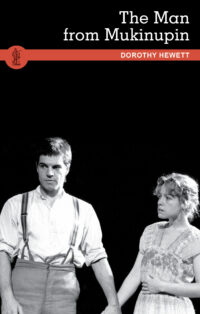
The Man of Mukinupin celebrates life in a country town at the time of the Great War, conjuring its light and dark sides into an old fertility dance.
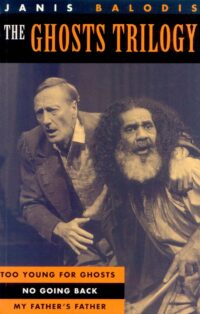
Written over a period of ten years from 1985, The Ghosts Trilogy follows the lives of a group of young Latvians who emigrate to North Queensland in 1948.
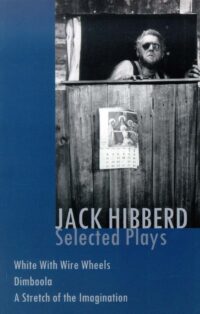
The plays in this volume were landmarks in the development of a rough new all-Australian theatre that celebrated the rude colour of Australian language and mores. It was a period of comedy and satire, but these plays reveal a sharp social criticism at work beneath the larrikinism.
White with Wire Wheels (1967) examines the insecurity inherent in male cultural attitudes towards women and cars. Dimboola (1969) is a Rabelaisian account of a country wedding. A Stretch of the Imagination (1971), a monodrama about an outback philosopher, brought us the archetypal Australian character of Monk O'Neill, the lonely misanthropist.
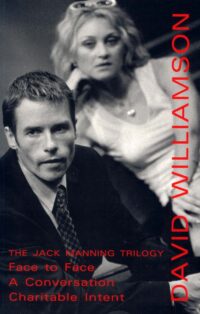
In this trilogy, David Williamson explores community conferencing—a process which brings together the victims and the perpetrators of a crime in an attempt at some kind of reconciliation.
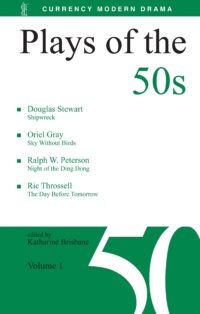
Plays of the 50s is a collection of plays, including Sky Without Birds by Oriel Gray, Shipwreck by Douglas Stewart, The Night of the Ding-Dong by Ralph Peterson, and The Day Before Tomorrow by Ric Throssell.
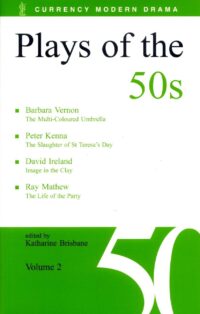
Plays of the 50s: Volume 2 is a collection of plays including The Multi-Coloured Umbrella by Barbara Vernon, The Slaughter of St Teresa's Day by Peter Kenna, Image in the Clay by David Ireland, and The Life of the Party by Ray Matthew.
Secret Bridesmaids' Business is a seriously funny play that exposes the hysteria that can arise as the wedding juggernaut threatens to swerve out of control.
In It's My Party (and I'll Die If I Want To): as Ron Patterson attempts to tie up the loose ends of his life, all the juicy neuroses of his very dysfunctional family come to the fore.
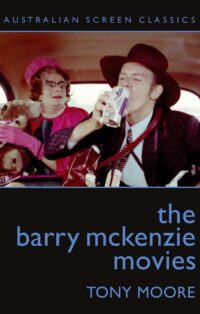
An illuminating tribute to Bruce Beresford's subversive and hilarious film The Adventures of Barry McKenzie, and its equally riotous sequel, Barry McKenzie Holds His Own, by cultural historian and documentary filmmaker, Tony Moore.

Stay connected and updated to the happenings at Currency Press
We will never share your email with others